How Accurate Are Wearable Oxygen Monitors Compared to Medical Tests?
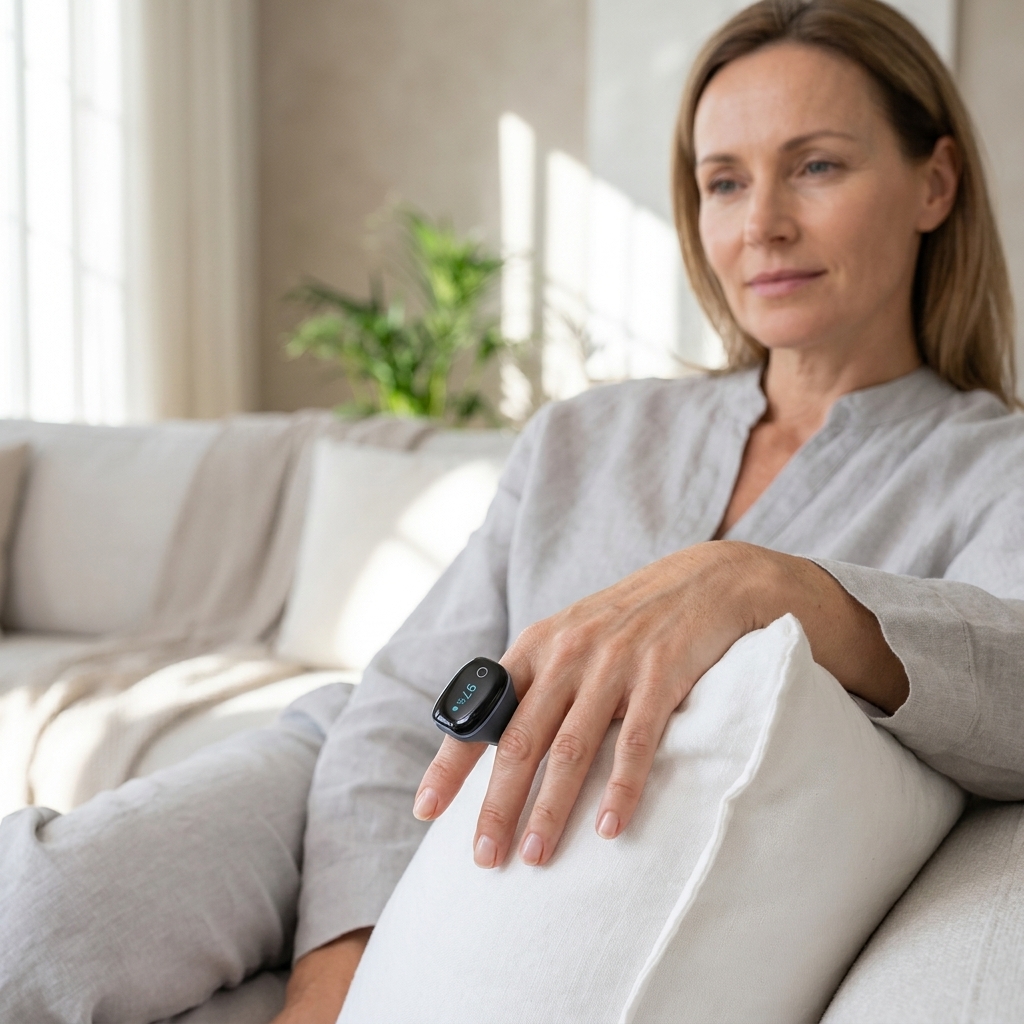
Wearable oxygen monitors like O2Ring are generally accurate enough for reliable home tracking and trend monitoring, but they are not as precise as hospital-grade medical tests and should not be treated as diagnostic tools.
With around 9 years of experience selling devices like O2Ring for both adults and children, I’ve seen how they perform in real-world conditions across thousands of users. They are especially useful for overnight monitoring and identifying patterns in oxygen levels over time.
In most home settings, they provide a helpful and reasonably consistent picture of oxygen trends during sleep. However, they are still consumer devices, and not clinical-grade hospital equipment.
Why are they not identical to medical tests?
Hospital pulse oximeters and sleep studies are performed under controlled conditions, using medical-grade equipment calibrated and interpreted by professionals.
Wearable devices, on the other hand, are designed for convenience and continuous tracking at home. Because of this, readings can be influenced by:
- Fit on the finger or thumb
- Movement during sleep
- Circulation and cold extremities
- Sensor positioning
This does not make them unreliable, but it does mean they are not exact medical diagnostic tools.
What they are actually good for
In my experience, customers most often buy O2Ring for:
- Sleep apnoea concerns
- Snoring monitoring
- Asthma or COPD tracking
- Overnight oxygen observation
- General sleep quality awareness
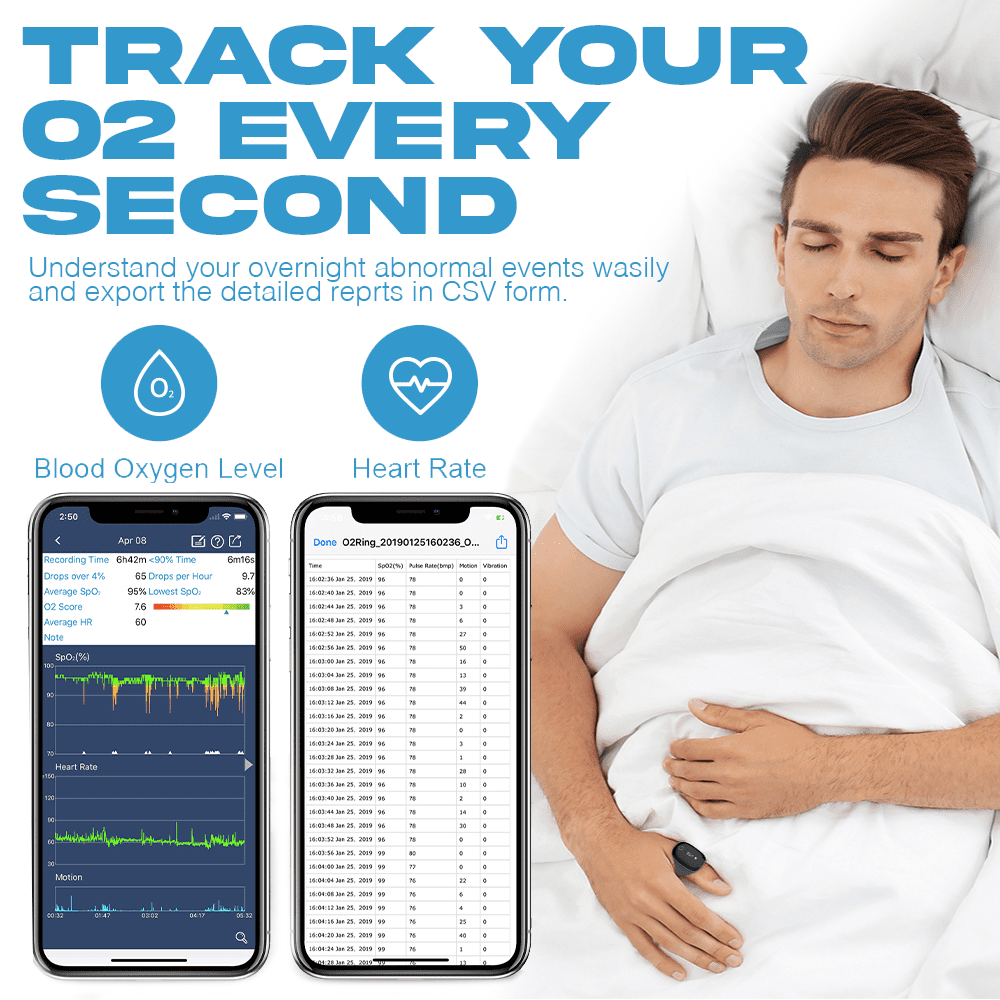
They are particularly valuable because they show trends over time, not just single readings.
For example, I’ve seen users discover repeated oxygen drops during sleep, which later helped them seek proper medical advice or get a sleep study. Others use it alongside CPAP therapy to monitor improvement and gain peace of mind.
Common misunderstanding
One of the biggest misconceptions is expecting hospital-level accuracy or treating a single low reading as a medical emergency.
In reality, wearable oxygen monitors are best used for pattern recognition over multiple nights, not for instant diagnosis.
Who should (and shouldn’t) use them
Based on customer experience:
Good use cases:
- People who snore
- Users tracking overnight oxygen levels
- CPAP users monitoring progress
- Parents observing children’s sleep patterns
Not ideal for:
- People expecting a medical diagnosis
- Those looking for emergency-level monitoring
- Casual fitness users without a clear need
Why O2Ring stands out
Compared to basic clip-on pulse oximeters, O2Ring is preferred because it:
- Is comfortable for overnight use
- Provides continuous tracking (not just spot checks)
- Includes vibration alerts for low oxygen
- Offers detailed app reports and trends
- Works well for both adults and children
This makes it far more practical for sleep monitoring than traditional fingertip devices.
Important disclaimer
Wearable oxygen monitors are helpful tools, but they do not replace medical advice or diagnostic testing.
They should not be used to self-diagnose conditions or respond to single readings in isolation. Instead, they are best used to observe trends and support conversations with healthcare professionals.
Where to buy them?
You can buy it here or on our website Tiptop Health
Final takeaway
Wearable oxygen monitors like O2Ring are generally accurate enough for reliable home tracking and trend monitoring, but they are not as precise as hospital-grade medical tests and should not be treated as diagnostic tools.